Brief No. 022 · Documents
UNIDIR Report Warns Agentic AI Could Undermine Crisis De-Escalation
Summary
A UNIDIR study warns that agentic AI could compress decision times and reduce opportunities for de-escalation, urging states to adapt existing governance frameworks.
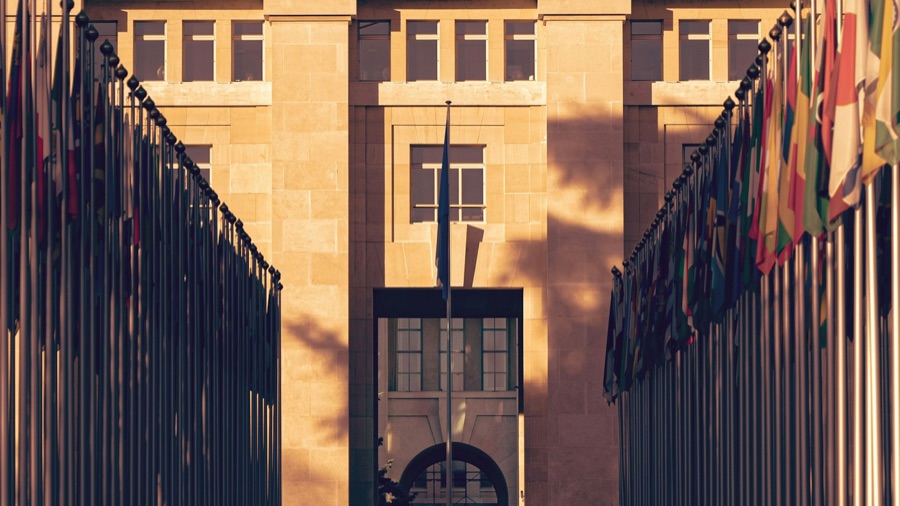
On 5 November 2026, the United Nations Institute for Disarmament Research (UNIDIR) published a 42-page study examining the security implications of autonomous software, entitled Agentic AI and International Security: Navigating the Shift Towards Agency. Authored by Giacomo Persi Paoli, the policy report examines how systems designed to pursue complex objectives across multiple steps with reduced human oversight affect international peace and stability.
Risks of automated escalation
According to the report, agentic systems differ fundamentally from conventional artificial intelligence that primarily analyses data or recommends courses of action. While tangible evidence of operational agency remains largely confined to cybersecurity and digital domains, military applications in command and control remain experimental, according to UNIDIR. Nevertheless, the study cautions that software glitches, prompt injection, or flawed commands can initiate autonomous causal chains before human supervisors can intervene. Crucially, the interaction between disparate agents deployed by opposing states could severely compress decision-making windows, undermining crisis-management mechanisms that rely on diplomatic signalling, human interpretation, and restraint.
Rather than assuming that agentic AI requires an entirely new governance regime, UNIDIR argues for stress-testing existing legal and policy frameworks, strengthening practical controls and assurance, and beginning international dialogue on interactions between agents operated by different actors before such practices become widespread.
What it means
For developing nations that rarely control frontier defence technologies, compressed decision times risk bypassing multilateral diplomatic forums where non-aligned voices carry weight. Global South policymakers must ensure international frameworks enforce human accountability before autonomous interactions trigger crises beyond diplomatic reach.
How this story was made
This story was drafted with AI (Google Gemini) from the sources linked below, which it found with Google Search.
If you spot a mistake, write to hi@af.net. Read our editorial standards.